Ask a mountaineer and they will tell you down, without hesitation. Ask someone who commutes through a Dublin or Vancouver winter and the answer should be different. The material debate is really a climate debate wearing a disguise.
Warmth for weight: down wins, still
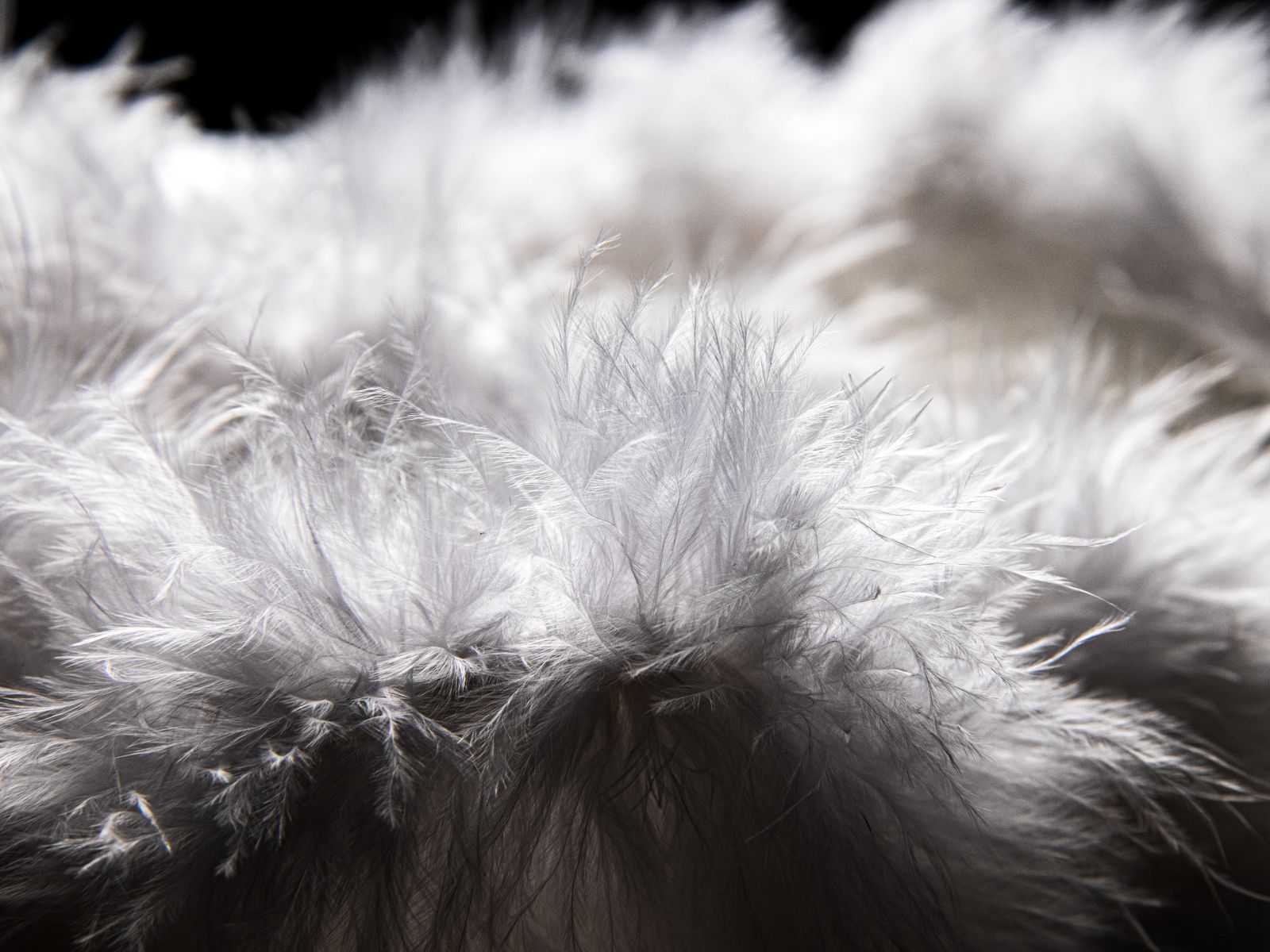
This is not close and probably never will be. Good goose down remains the most efficient insulator per gram that exists, natural or manufactured. A high fill power down jacket delivers warmth at a weight synthetic fills cannot approach.
The gap has narrowed — PrimaLoft Gold reaches roughly 550 to 600 fill power equivalent — but 'narrowed' is doing a lot of work. At the top end, down is still comfortably ahead.
Wet performance: synthetic wins, decisively
Here the result reverses completely. Wet down does not insulate. Not 'insulates less' — the clusters collapse, the trapped air disappears, and you are wearing a damp bag. In genuinely cold, wet conditions this is a safety issue, not a comfort one.
Synthetic fills are built from hydrophobic fibres that hold their structure when saturated, retaining perhaps 70 to 80% of their insulation soaked through. They also dry in hours rather than days.
Hydrophobic treated down exists and genuinely helps — it delays saturation meaningfully. It does not eliminate the problem, and the treatment degrades with washing.
Longevity: down wins, by a lot
This is the argument that gets least airtime and probably deserves most. A well-maintained down jacket lasts fifteen to twenty-five years. Down clusters are resilient; they can be compressed and re-lofted thousands of times.
Synthetic fill degrades structurally. The fibres break down under repeated compression, and a synthetic jacket typically loses a noticeable share of its loft within five to eight years of regular use. There is no way to restore it.
Buying two synthetic jackets over fifteen years is more expensive, and more wasteful, than buying one good down jacket and looking after it.
Ethics: genuinely complicated
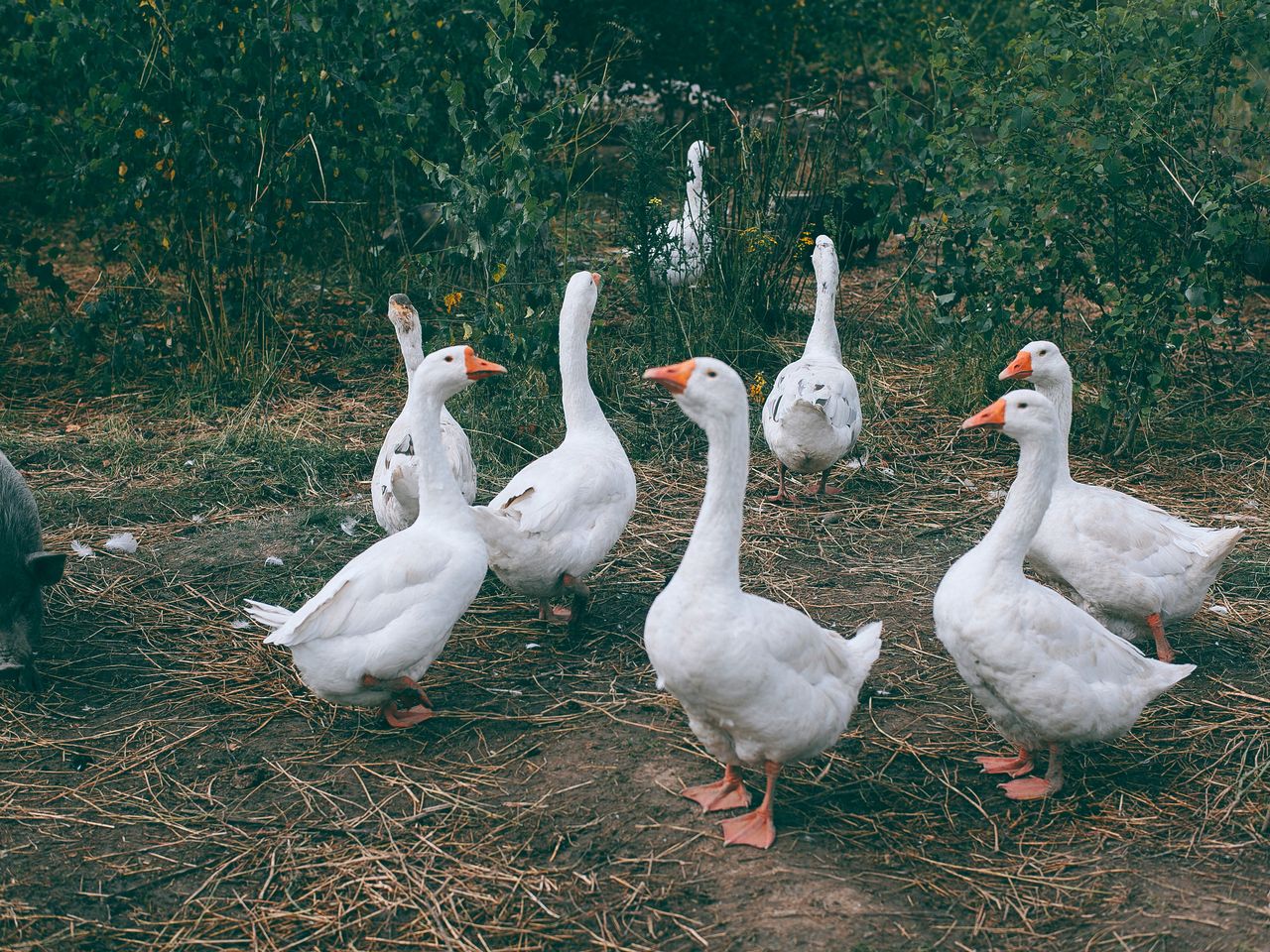
Down is an animal product, and the industry has a real history of live plucking and of sourcing from foie gras production. The Responsible Down Standard and Global TDS were created in response and do meaningfully improve traceability — but certification is a floor, not a guarantee.
Synthetic avoids the animal question entirely, and then introduces a different one: it is petroleum-derived plastic that sheds microfibres in the wash and does not biodegrade. Recycled polyester fills reduce but do not remove the issue.
There is no clean answer here. Anyone who tells you otherwise is selling something. The most defensible position is probably to buy one certified down jacket and keep it for twenty years.
Cost
Synthetic wins on entry price by a wide margin, and it is more forgiving of neglect — a serious advantage if you are not going to hand-wash anything, ever. Down wins on cost per year of use, provided you actually maintain it.
So, who should buy what
- Cold and dry — continental winters, alpine, anywhere with real snow rather than sleet: down, without hesitation.
- Mild and wet — maritime climates, persistent drizzle, winters hovering around 5°C: synthetic. This is the case where down genuinely underperforms.
- You carry the jacket as much as you wear it: down, for the packability.
- You will never follow a care label: synthetic.
- Budget under €150: synthetic. Cheap down is bad down, and bad down is worse than good synthetic.
The war is not over. It just stopped being winner-takes-all — which is a considerably more useful outcome for anyone actually buying a jacket.