The story starts on a riverbank in Washington State in the winter of 1935. Eddie Bauer, already a well-known outfitter in Seattle, was fishing for steelhead with a friend on the Olympic Peninsula. It was cold, it was wet, and Bauer was wearing what every serious outdoorsman wore at the time: heavy wool.
Wool has one genuinely excellent property — it insulates when damp. It also has a fatal one: it is extremely heavy when saturated, and it takes forever to dry. Bauer, hiking back to camp through snow with a full creel and a soaked wool mackinaw, began to overheat, then sweat, then chill. He started slowing down. His thinking went foggy. He sat down.
That is textbook hypothermia, and the reason we know the story at all is that Bauer had the presence of mind to fire his revolver into the air. His fishing partner found him and got him moving again. He survived. He also spent the rest of the walk out furious — not at the weather, but at his own clothing.
The uncle in Russia
Bauer remembered something his uncle had told him years earlier about the Russo-Japanese War: Russian officers wore coats quilted with feathers and down, and they stayed warm in conditions that destroyed everyone else. It was not a new idea in the abstract — humans have been sleeping under down for centuries — but nobody had made a serious technical garment out of it.
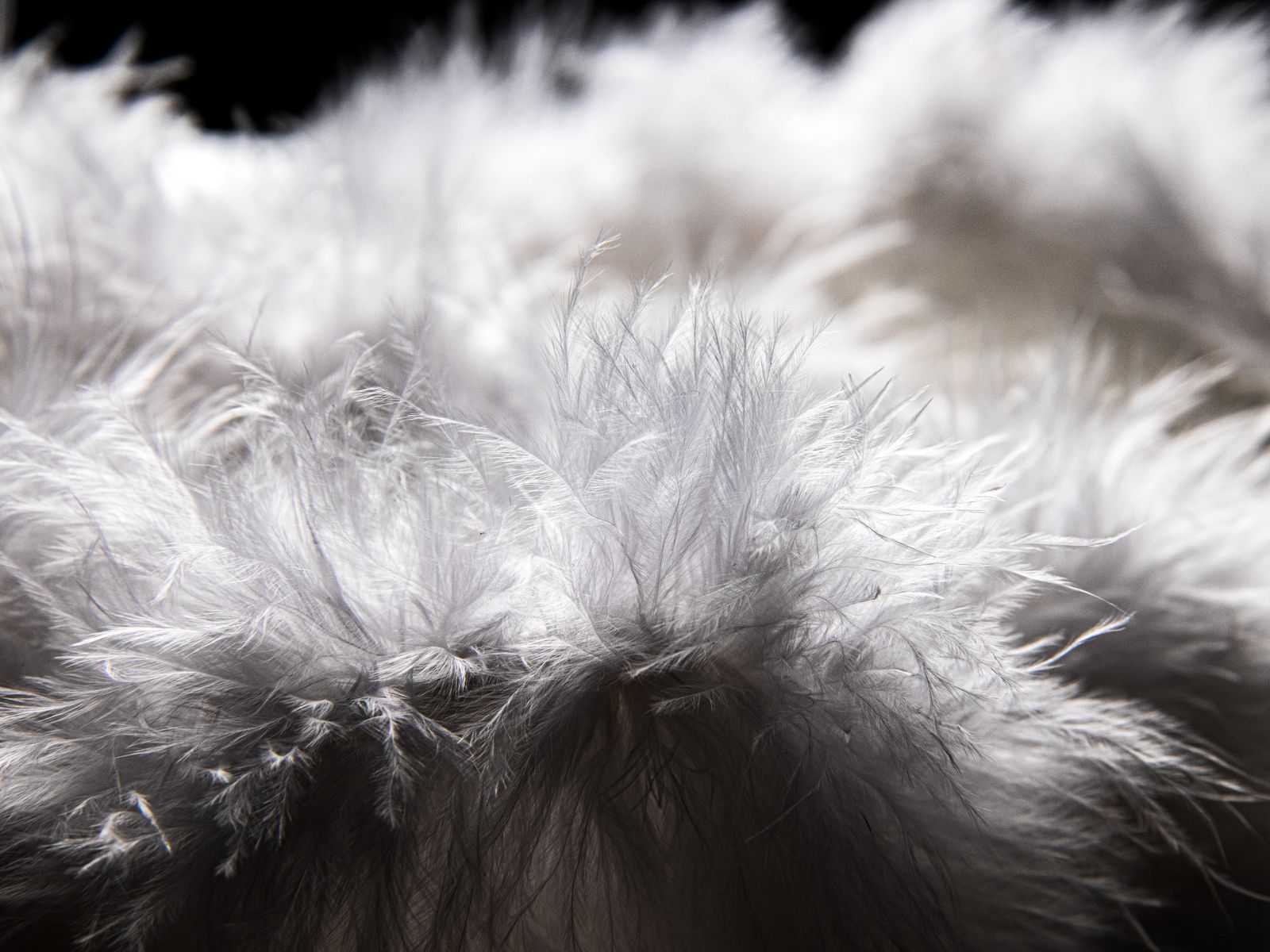
The problem was obvious to anyone who had ever owned a duvet. Down migrates. Left to its own devices it slides to the bottom of whatever contains it, leaving you with a warm hem and freezing shoulders. Any wearable version needed a way to hold the down in place while the wearer moved, bent, climbed and fell over.
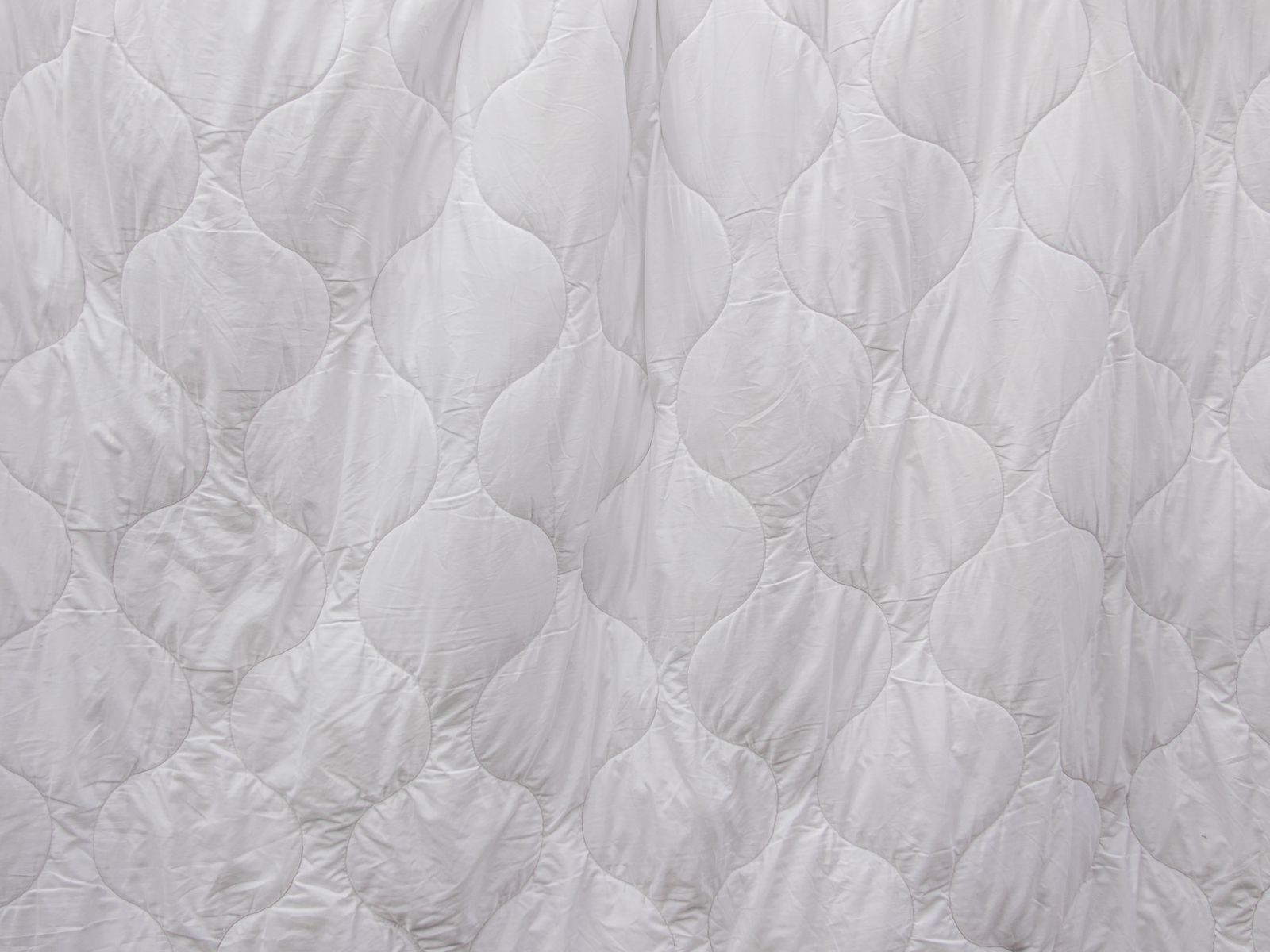
Bauer's answer was quilting: stitch the jacket into a grid of small compartments, fill each compartment individually, and the down cannot go anywhere. It is the single idea that turns a duvet into a garment, and it is why every puffer jacket you have ever seen has that distinctive segmented look. The pattern is not decoration. It is structural.
The Skyliner, 1936
The result was the Skyliner, patented in 1940 and sold from 1936. By modern standards it is not beautiful. It is a diamond-quilted, rather shapeless jacket that makes the wearer look like a piece of furniture. It was also, by a wide margin, the warmest thing you could put on your body for its weight.
Bauer was so confident in it that he offered an unconditional lifetime guarantee — in 1936, on a product nobody had ever made before.
That guarantee tells you something about how thoroughly he had tested the thing. It also set a precedent the outdoor industry still follows: the down jacket has always been sold on trust, because the customer cannot see or feel the fill quality through the shell.
The war changes everything
What made the down jacket a global product was not fishing. It was the Second World War. The US Army Air Forces needed to keep bomber crews alive in unpressurised, unheated aircraft at 25,000 feet, where temperatures hit -40°C. Bauer's company produced the B-9 flight parka and sleeping bags for the military — reportedly the only garment of the war to carry its maker's label rather than just a contract number.
Hundreds of thousands of airmen came home having experienced, in the most memorable circumstances imaginable, that down works. When the outdoor boom arrived in the following decades, the market was already primed.
What we inherited
Almost every design decision in a modern puffer traces back to that walk out of the woods. The baffles exist because down migrates. The lightweight shell exists because wool taught Bauer that weight kills. The obsession with fill power exists because he was chasing warmth per gram, not warmth in absolute terms.
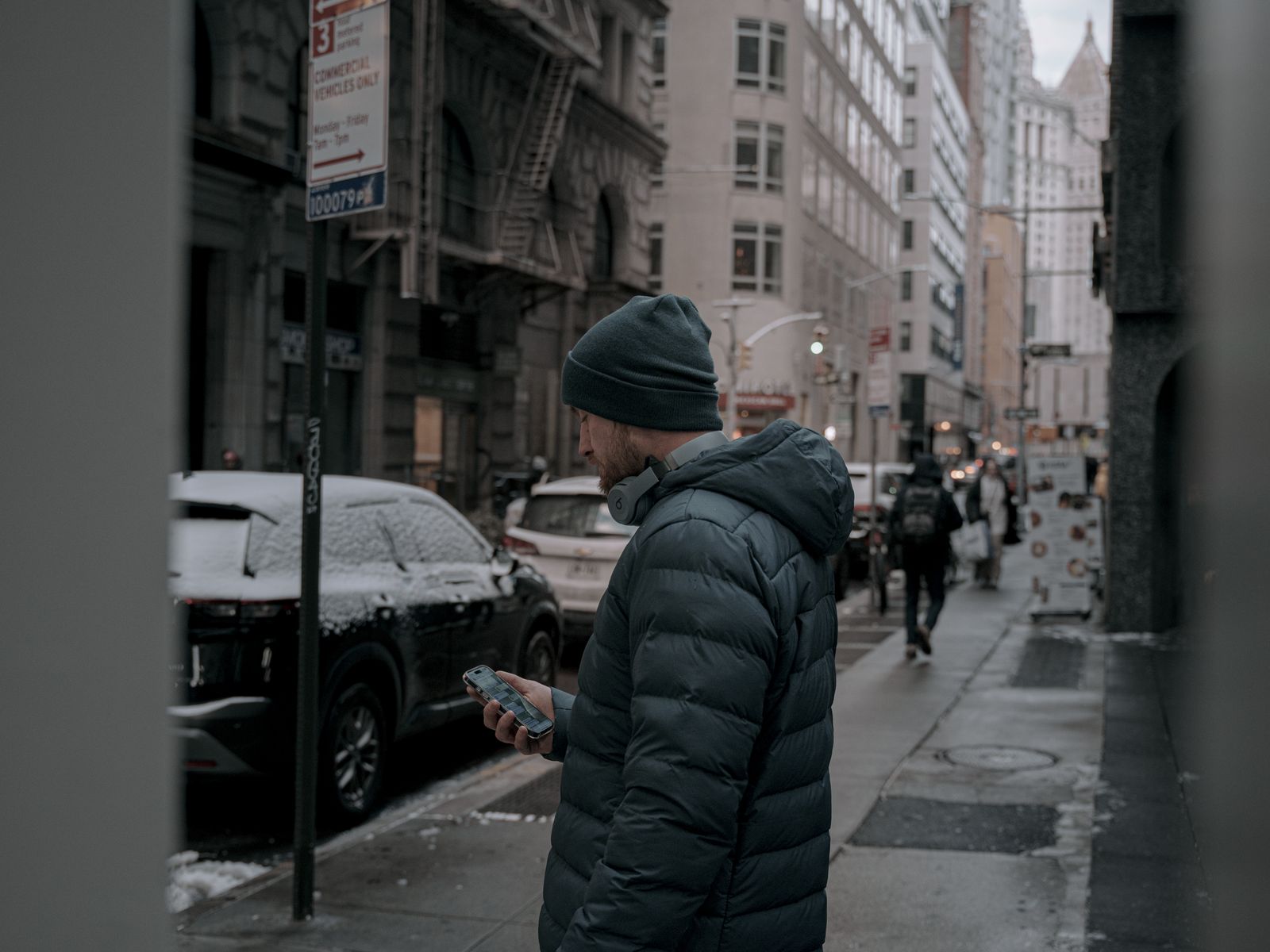
The next time you see a €1,800 Moncler in a shop window, it is worth remembering that its entire visual language — the horizontal channels, the puffed segments, the glossy technical shell — descends directly from a solution to a very unglamorous engineering problem. It looks like that because a cold, angry man in 1936 needed it to.